| |
|
TIMØ presenta su nuevo álbum ‘CANTO PA’ NO LLORAR’,
Y CONTAGIA SU ENERGÍA ESCÉNICA EN CADA CANCIÓN
SU SEGUNDO TRABAJO DISCOGRÁFICO FUSIONA LETRAS HONESTAS Y EMOTIVAS CON
SONIDOS LATINOS DE LOS 2000, QUE INCLUYE TEMAS INÉDITOS, LOS SENCILLOS
"TRAGUITA" Y "VINO ROSÉ", Y COLABORACIONES CON JUAN DUQUE, NIL MOLINER Y
VANESSA MARTÍN.
TIMØ CELEBRA EL LANZAMIENTO DEL ÁLBUM CON UNA EXPERIENCIA ESPECIAL PARA
FANS EN CASA SPOTIFY BOGOTÁ.
ESCÚCHALO
AQUÍ(CLICK).
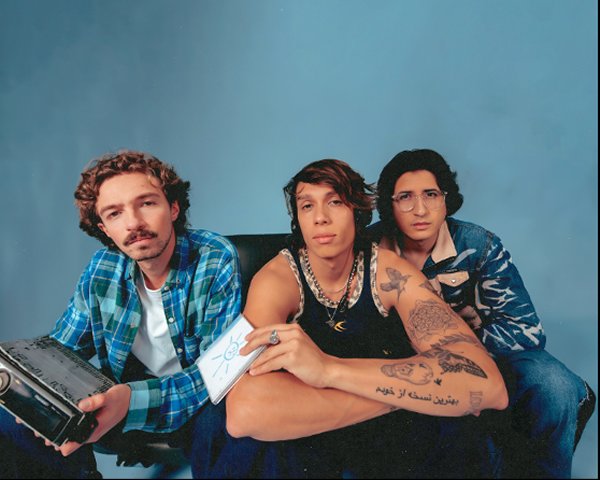
TIMØ, el trío pop colombiano que conecta con su publico en el escenario
y afuera de el, regresa con 'Canto Pa' No Llorar', su segundo álbum de
estudio y el proyecto más honesto, maduro y luminoso de su carrera hasta
hoy. Un disco que abraza la vida sin filtros, donde la alegría que
convive con la tristeza, la nostalgia que también se baila y la
vulnerabilidad se transforma en fuerza. 'Canto Pa' No Llorar' es un
álbum que se siente cercano, humano y profundamente emocional, pero que
nunca deja de invitar al movimiento, al coro colectivo y a cantar con el
corazón en la mano.
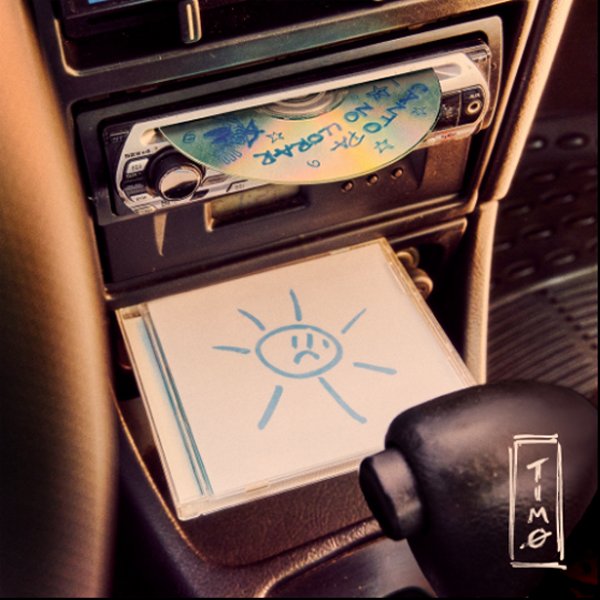
Nace de una idea tan sencilla como poderosa, donde incluso en los
momentos más difíciles, siempre hay un rayo de luz. Como un sol que
llora, pero sigue brillando. A lo largo del álbum, TIMØ convierte las
despedidas en momentos dulces, el dolor en celebración y la melancolía
en un punto de encuentro. Son canciones que duelen en la letra, pero
liberan en el ritmo; que invitan a cantar a todo pulmón, a bailar sin
pensar y a compartir entre amigos. 'Canto Pa' No Llorar' nos recuerda
que ser honestos con lo que sentimos también es una forma de sanar, y
que incluso en la tristeza siempre hay razones, y canciones, para
brillar.
En lo musical y lo visual, 'Canto Pa' No Llorar' es un homenaje al
sonido y la estética del pop latino de los años 2000, una era que marcó
para siempre la identidad de TIMØ. Inspirado por referentes como Maná,
Juanes, Bacilos y Carlos Vives, artistas que definieron a toda una
generación y despertaron en la banda el deseo de tomar un instrumento y
hacer música, el álbum fue grabado íntegramente en estudio con
instrumentos reales, sin el uso de samples, apostando por un sonido
orgánico, cálido y atemporal. Las guitarras de 12 cuerdas, percusiones
latinas y arreglos pensados para tocarse refuerzan una nostalgia que se
siente actual. Todo en Canto Pa' No Llorar acompaña al concepto del
álbum y con la idea de volver a ese lugar donde la música era refugio,
celebración y punto de encuentro.
Hecho para escucharse de principio a fin como una experiencia completa,
'Canto Pa' No Llorar' abre con "Refugio", una despedida sincera a un
amor que terminó sin explicaciones, marcada por la nostalgia y el cariño
que aún permanece. Esa misma sensibilidad se extiende en "Ese Verano
(Que Sí, Que No)" colaboración con Nil Moliner, que funciona como una
cápsula del tiempo y un homenaje al cierre emocional de una etapa vivida
en España, entre recuerdos, risas y despedidas inevitables. Por otro
lado, "Carta Al Corazón" es una confesión directa y autocrítica sobre
enamorarse sin medir consecuencias, caer una y otra vez en ilusiones que
no llevan a nada. En esta canción, en la que Juanes aporta un solo de
guitarra, se refleja la lucha interna entre un corazón impulsivo y el
deseo de aprender a protegerlo.
En la misma línea de desamor y decepción, "Palabras", el focus trcak del
álbum, que retrata la frustración de un amor construido únicamente sobre
promesas vacías y emociones que no se sostienen en hechos. Es la
frustración de entregarse emocionalmente y quedarse atrapado en palabras
que no tienen peso ni compromiso. Desde ahí, el disco da paso a
"Traguita", junto a Juan Duque, la cual combina la intensidad emocional
característica de TIMØ con el toque tropical de Duque, dando como
resultado un himno pegajoso sobre esos amores que aparecen de repente y
desaparecen igual de rápido. Mientras tanto, "Divino Castigo" una de las
primeras canciones creadas para el álbum, se convirtió rápidamente en
una de las más esperadas por los fans durante más de seis meses y hoy
destaca como un fan favorite. Compuesta a inicios de 2024 y
prácticamente intacta desde su origen, es un tema lleno de energía y
optimismo, que, a pesar de hablar de un corazón roto, inspira a seguir
adelante, disfrutar la vida con orgullo y valentía, y demostrar que del
desamor también se puede renacer.
En la segunda mitad del disco, "No Hay Que Llorar" transmite un mensaje
de resiliencia y optimismo, recordando que incluso en los momentos
difíciles se puede encontrar fuerza para seguir adelante y transformar
el dolor en esperanza. Es un himno para enfrentar las adversidades con
valentía y sin rendirse. En un tono más melancólico, "Todo Va A Estar
Bien", en colaboración con Vanesa Martin, aborda la nostalgia de ver a
un amor continuar su camino, aceptando la pérdida con madurez y
esperanza. Es una canción sobre aceptar la pérdida con cariño y confiar
en que, aunque duela, todo terminará estando bien. Con un tono más
irónico, "Lágrimas A La Carbonara" muestra el desamor con un toque de
humor y dramatismo, describiendo cómo el dolor por un corazón roto se
mezcla con la rutina cotidiana, hasta en la comida. Es una canción que
convierte la tristeza en un momento casi cómico, reflejando lo absurdo y
amargo de una ruptura inesperada.
Hacia el cierre, "Miro Al Cielo" expresa el miedo profundo a perder a la
persona que se ama, incluso cuando el amor es fuerte y presente. Es una
súplica íntima por conservar lo más valioso de la vida y no tener que
despedirse de quien lo significa todo. "Vino Rosé" abre un nuevo
capítulo sonoro para TIMØ, reflejando los ritmos y la esencia musical de
los años 2000, una época musical que ha sido fuente de inspiración para
la banda. Este tema fue producido y compuesto por TIMØ, junto a la
colaboración de Mauricio Rengifo y Andrés Torres. Retomando la nostalgia
pop/rock, "KARMA" es una canción cargada de emoción que captura la
chispa del amor inesperado. Compuesta e interpretada en su totalidad por
la banda, la canción marca un regreso a sus raíces mientras exploran
nuevos territorios sonoros. Influenciados por figuras como Fito Páez,
Maná y Juanes, el tema tomó forma de manera orgánica, con un sonido
crudo que refleja la evolución de TIMØ. Finalmente, "Esperar" cierra el
álbum como una reflexión sobre la distancia y el tiempo necesario tras
un amor que no se supo cuidar, confiando en que la felicidad puede
volver, incluso si es con otra persona. Es una introspección sobre la
paciencia, la esperanza y el valor de lo que alguna vez se tuvo.

Anoche, previo al estreno oficial del álbum 'Canto Pa' No Llorar', TIMØ
presentó el Karaoke Canto Pa' No Llorar, una experiencia especial para
sus fans e invitados en Casa Spotify Bogotá. El espacio se transformó en
un karaoke dosmilero donde cantar nunca fue hacerlo bien, sino hacerlo
juntos. Con la letra en pantalla, el micrófono en mano y accesorios
divertidos, cada asistente se convirtió en parte del show, celebrando la
nostalgia, la amistad y el espíritu del álbum: convertir la tristeza en
luz compartida.
Acerca del lanzamiento del nuevo álbum TIMØ menciona, "Siempre hemos
creído en hacer música que celebra la vida y los buenos momentos, y este
álbum no es la excepción. Solo que esta vez, esa honestidad se vio
reflejada en nuestras canciones más bailables y, al mismo tiempo, las
letras más sinceras que hemos escrito. Los amamos <3 Con este disco van
a recibir una partecita del alma de esta banda. Ojalá les guste :)".
TIMØ
TRACKLIST DE 'CANTO PA' NO LLORAR'
13 de febrero de 2026
1. Refugio
2. Ese Verano (Que Sí, Que No) junto a Nil Moliner
3. Carta Al Corazón
4. Palabras (Focus Track)
5. Traguita junto a Juan Duque
6. Divino Castigo
7. No Hay Que Llorar
8. Todo Va A Estar Bien junto a Vanesa Martín
9. Lágrimas A La Carbonara
10. Miro Al Cielo
12. Vino Rosé
12. Karma
13. Esperar
'Canto Pa' No Llorar' es, ante todo, un ejercicio de sanación. Un
tributo al niño interior que encontró refugio en la música, que cantaba
para no llorar, que halló propósito en las canciones durante la
infancia. Ese niño que el tiempo obligó a dejar atrás, pero que hoy
vuelve a asomarse a través de este disco. Al mismo tiempo, 'Canto Pa' No
Llorar' celebra los inicios de TIMØ como banda y como personas, rinde
homenaje a sus héroes musicales y a las influencias que marcaron su
crecimiento en un país tan único y diverso como Colombia.
De cara a los próximos meses, TIMØ se prepara para vivir un nuevo hito
en su carrera con su participación en Lollapalooza Argentina 2026 y
Estéreo Picnic 2026, festivales que se celebrarán el próximo mes de
marzo. Con estas presentaciones, la banda se consolida como la
agrupación colombiana más joven en llegar al escenario de Lollapalooza
Argentina, reafirmando su lugar como una de las propuestas más
prometedoras y queridas del pop latino actual.
Puedes volver a ver
aquí (click ) y
aquí ( click ) , las entrevistas con TIMØ.
ENGLISH VERSION
TIMØ RELEASE THEIR NEW ALBUM 'CANTO PA' NO LLORAR' AND SPREAD THEIR
ENERGY ON STAGE WITH EVERY SONG
THEIR SOPHMORE ALBUM BLENDS HONEST AND EMOTIONAL LYRICS WITH LATIN
SOUNDS FROM THE 2000S, FEATURING UNRELEASED TRACKS, HIT SINGLES
"TRAGUITA" AND "VINO ROSÉ," AND COLLABORATIONS WITH JUAN DUQUE, NIL
MOLINER AND VANESSA MARTÍN
TIMØ CELEBRATED THE ALBUM'S RELEASE WITH A SPECIAL EXPERIENCE FOR FANS
AT CASA SPOTIFY BOGOTÁ
TIMØ, the Colombian pop trio that connects with its audience both on and
off stage, return with 'Canto Pa' No Llorar,' their second studio album
and the most honest, mature, and luminous project of their career to
date. The album embraces life without filters, where joy coexists with
sadness, nostalgia is something you can dance to, and vulnerability
becomes a source of strength. Intimate, human, and deeply emotional,
'Canto Pa' No Llorar' never loses its ability to move both the heart and
the body, inviting collective singing, release, and connection.
Born from a simple yet powerful idea, that even in the hardest moments,
there is always a ray of light, the album reflects a sun that cries but
continues to shine. Throughout the album, TIMØ transform goodbyes into
tenderness, pain into celebration, and melancholy into a shared
experience. These are tracks that ache in their lyrics but liberate
through rhythm, encouraging listeners to sing at the top of their lungs,
dance without overthinking, and come together with friends. 'Canto Pa'
No Llorar' is a reminder that honesty with our emotions is a form of
healing, and that even in sadness, there are always reasons, and songs,
to shine.
Musically and visually, 'Canto Pa' No Llorar' is a tribute to the sound
and aesthetic of Latin pop from the 2000s, an era that forever shaped
TIMØ's identity. Inspired by artists such as Maná, Juanes, Bacilos, and
Carlos Vives, figures who defined an entire generation and sparked the
band's desire to pick up instruments and make music, the album was
recorded entirely in the studio using real instruments, without samples,
in pursuit of an organic, warm, and timeless sound. Twelve-string
guitars, Latin percussion, and performance-driven arrangements reinforce
a nostalgia that feels current and alive. Everything in 'Canto Pa' No
Llorar' supports the album's concept and the idea of returning to a
place where music was refuge, celebration, and a point of connection.
Designed to be listened to from start to finish as a complete
experience, 'Canto Pa' No Llorar' opens with "Refugio," a sincere
farewell to a love that ended without explanations, marked by nostalgia
and lingering affection. That same sensitivity carries into "Ese Verano
(Que Sí, Que No)," a collaboration with Nil Moliner that serves as a
time capsule and a tribute to the emotional closing of a chapter lived
during a summer in Spain, filled with memories, laughter, and inevitable
goodbyes. Meanwhile, "Carta Al Corazón" is a direct, self-critical
confession about falling in love without measuring the consequences,
repeatedly chasing illusions that lead nowhere. In this song, in which
Juanes contributes a guitar solo, the internal struggle between an
impulsive heart and the desire to learn how to protect it is reflected.
Along the same lines of heartbreak and disappointment, "Palabras," the
album's focus track, portrays the frustration of a love built solely on
empty promises and emotions unsupported by actions. It captures the
feeling of giving oneself emotionally and becoming trapped in words that
carry no real weight or commitment. From there, the album flows into
"Traguita," featuring Juan Duque, which blends TIMØ's signature
emotional intensity with Duque's tropical touch, resulting in a catchy
anthem about loves that appear suddenly and disappear just as fast.
Meanwhile, "Divino Castigo," one of the first songs written for the
album, quickly became one of the most anticipated tracks among fans and
now stands out as a fan favorite. Written in early 2024 and left almost
untouched since its inception, it's a song full of energy and optimism
that, despite speaking of heartbreak, encourages moving forward,
enjoying life with pride and courage, and proving that rebirth is
possible even after heartbreak.
In the second half of the album, "No Hay Que Llorar" delivers a message
of resilience and optimism, reminding listeners that even in difficult
moments, strength can be found to keep going and transform pain into
hope. It's an anthem about facing adversity with courage and refusing to
give up. With a more melancholic tone, "Todo Va A Estar Bien," featuring
Vanesa Martín, explores the nostalgia of watching a former love move on,
accepting loss with maturity and hope. It's a song about letting go with
affection and trusting that, even when it hurts, everything will
eventually be okay. With a more ironic edge, "Lágrimas A La Carbonara"
approaches heartbreak with humor and drama, describing how the pain of a
broken heart blends into everyday routine, even into meals. The song
turns sadness into an almost comedic moment, reflecting the absurdity
and bitterness of an unexpected breakup.
Toward the album's closing, "Miro Al Cielo" expresses the deep fear of
losing the person you love, even when love is strong and present. It's
an intimate plea to hold on to what matters most in life and avoid
having to say goodbye to the one who means everything. "Vino Rosé" opens
a new sonic chapter for TIMØ, reflecting the rhythms and musical essence
of the 2000s, an era that has been a constant source of inspiration for
the band. The track was produced and written by TIMØ alongside
collaborators Mauricio Rengifo and Andrés Torres. Returning to pop-rock
nostalgia, "KARMA" is an emotionally charged song that captures the
spark of unexpected love. Written and performed entirely by the band, it
marks a return to their roots while exploring new sonic territory.
Influenced by figures such as Fito Páez, Maná, and Juanes, the song took
shape organically, with a raw sound that reflects TIMØ's evolution.
"Esperar" closes the album as a reflection on distance and the time
needed after a love that wasn't properly cared for, trusting that
happiness can return, even if it's with someone else. It's an
introspective meditation on patience, hope, and the value of what once
was.
Last night, ahead of the official release of 'Canto Pa' No Llorar,' TIMØ
teamed up with Spotify to present Karaoke Canto Pa' No Llorar, a special
experience for fans and invited guests at Casa Spotify Bogotá. The space
was transformed into a Y2K-inspired karaoke where singing was never
about doing it right, but about doing it together. With lyrics on
screen, microphones in hand, and playful accessories, every attendee
became part of the show, celebrating nostalgia, friendship, and the
spirit of the album: turning sadness into shared light.
In regards to their new album release, TIMØ share: "We've always
believed in making music that celebrates life and good times, and this
album is no exception. The difference is that this time, that honesty
shows up in our most danceable songs and, at the same time, in the most
sincere lyrics we've ever written. We love you <3 With this record,
you'll receive a little piece of this band's soul. We hope you like it
:)"
TIMØ
TRACKLIST DE CANTO PA' NO LLORAR'
February 13, 2026
1. Refugio
2. Ese Verano (Que Sí, Que No) junto a Nil Moliner
3. Carta Al Corazón
4. Palabras (Focus Track)
5. Traguita junto a Juan Duque
6. Divino Castigo
7. No Hay Que Llorar
8. Todo Va A Estar Bien junto a Vanesa Martín
9. Lágrimas A La Carbonara
10. Miro Al Cielo
12. Vino Rosé
12. Karma
13. Esperar
'Canto Pa' No Llorar' is, above all, an act of healing. A tribute to the
inner child who found refuge in music, who sang to keep from crying and
discovered purpose through songs in childhood. It's a child time once
forced into the background, now resurfacing through this album. At the
same time, 'Canto Pa' No Llorar' celebrates TIMØ's beginnings, both as a
band and as individuals, honoring the musical heroes and influences that
shaped their growth in a country as rich and diverse as Colombia.
Looking ahead, TIMØ is preparing to reach a new milestone in their
career with performances at Lollapalooza Argentina 2026 and Estéreo
Picnic 2026, both taking place this March. With these appearances, the
band solidifies its status as the youngest Colombian act to ever take
the stage at Lollapalooza Argentina, reaffirming their place as one of
the most promising and beloved voices in contemporary Latin pop.
Puedes volver a ver
aquí (click ) y
aquí ( click ) , las entrevistas con TIMØ.
You can watch
here (click ) and
here ( click ) , the interviews with TIMØ.
Invitamos a seguir a TIMØ en su Instagram ( click)
y Tik Tok (
click ).
Publicado el 13 de febrero
2026
Contacto:
info@guaumiauymas.com
|
|